


ONGOING INTIATIVES
Explore the initiatives shaping a more sustainable campus—from waste reduction to emissions goals.
Impact in Action
See how our community is reducing waste, saving energy, and driving change.
Silver STARS Rating
Sustainability Tracking, Assessment, and Rating System (STARS) Recipient
37% Reduction
Greenhouse gas emissions reduced from baseline
800 lbs Composted
Food waste diverted from East Side Dining
400,000 mmbtu Saved Annually
Energy savings from efficiency projects
Building a More Sustainable Future
The Sustainability team advances Stony Brook University’s commitment to environmental stewardship through campus-wide initiatives that reduce emissions, conserve resources, and promote responsible operations. Working collaboratively across Facilities & Services, academics, and external partners, the team integrates sustainability into planning, infrastructure, and daily campus life to support a resilient future.
• Climate action planning
• Energy efficiency initiatives
• Waste reduction and recycling
• Sustainable transportation programs
• Green building strategies
• Water conservation efforts
• Campus sustainability reporting
• Engagement and education initiatives
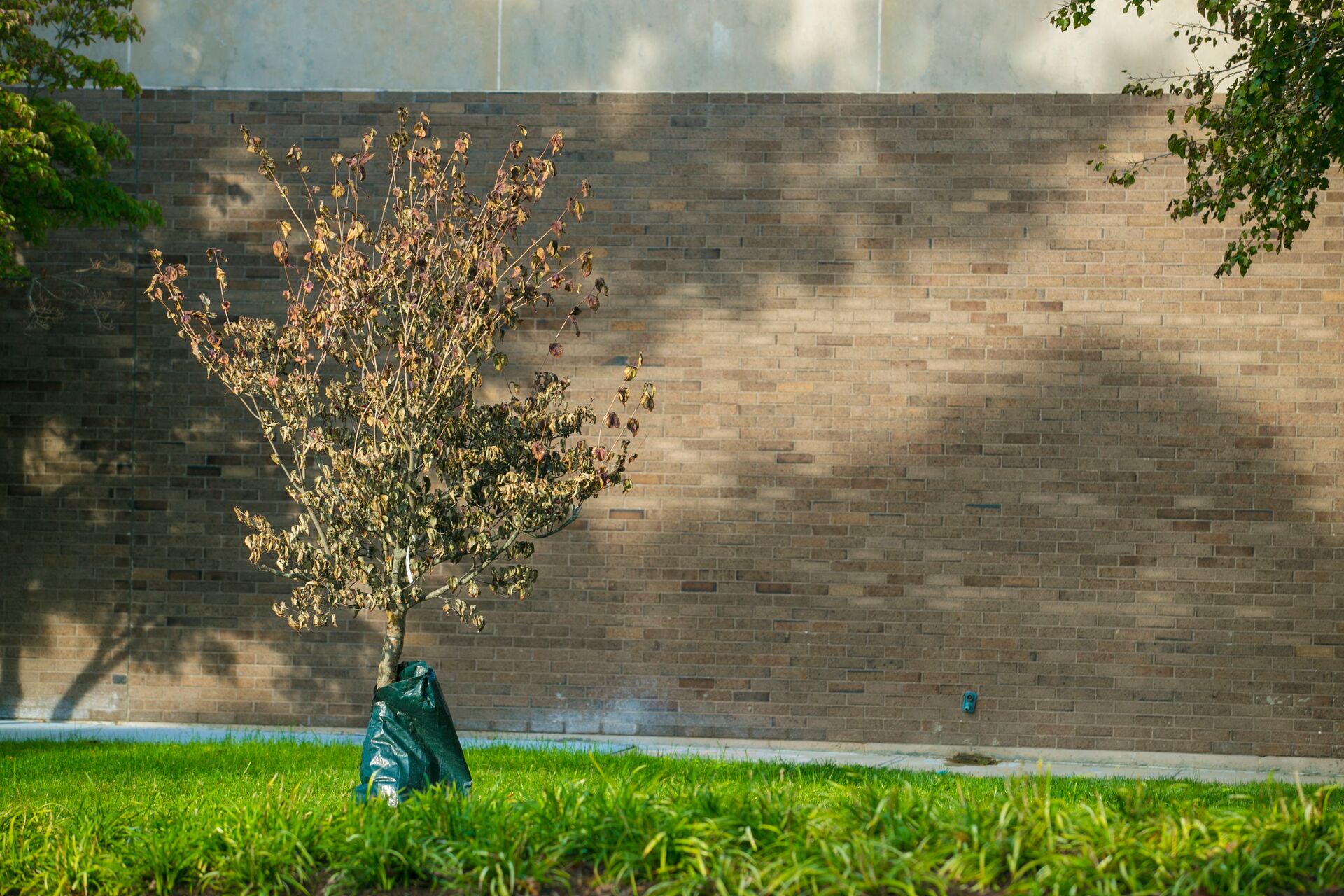
BE THE CHANGE.
Become an EcoLeader!
Applications are OPEN
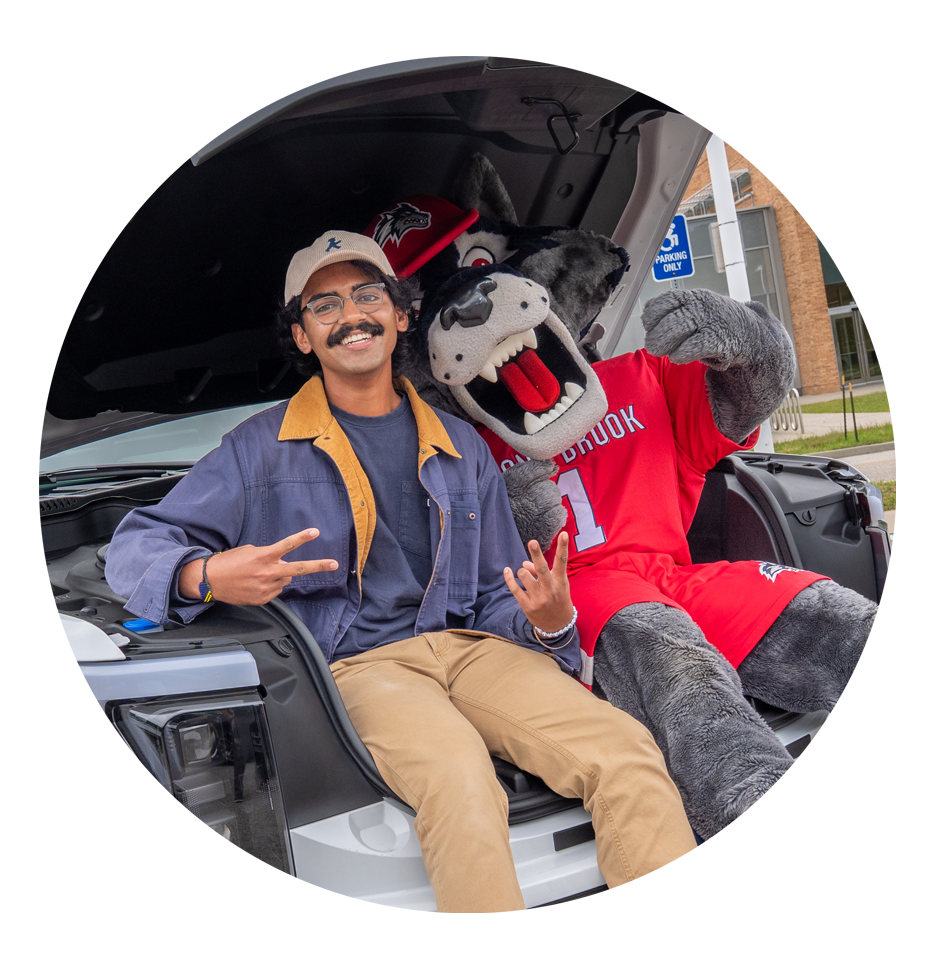
The EcoLeader program is a student leadership initiative that focuses on raising positive awareness of environmental issues and encourages sustainable practices at the University. The program started in fall 2012 and is operated by the Office of Sustainability, under the Division of Facilities & Services.The program's goals are to increase student knowledge on important environmental issues such as conservation, sustainability, recycling, and ecological awareness. Learn more about the program and apply for the 26-27 academic year here.
Email sustainability@stonybrook.edu for more information.
Student Spotlight!
Vienna Christiansen '27

My work at the Office of Sustainability involves student outreach, by tabling, creating visual content and infographics for social media, and weighing food waste at our dining halls to promote student awareness. I have also conducted Scope 3 emissions calculations to quantify SBU’s carbon footprint in sectors such as athletics, commuting, and campus transportation. I hope to connect my studies in environmental policy and behavioral science to create effective systems-level change, with a particular interest in increasing access to clean water.